A home temple is more than a sacred corner. It is where spirituality, peace and daily devotion come together, and the murti becomes the focus of your prayers. Many families look to Vastu Shastra for guidance on direction, size and placement. This guide covers the common Vastu suggestions for choosing and placing a murti for a home temple, and reminds you that faith and family tradition matter just as much.
As per common Vastu guidance, place the home temple in the north-east, east or north, choose a small to medium murti that fits the space, prefer marble for durability, and avoid chipped murtis and clutter. Traditions differ, so follow your family practice too.
Why the Right Murti Matters
In Hindu tradition a murti is not just a decoration. It is a focus for devotion, and a well-made, well-kept murti encourages regular worship. Vastu texts and practitioners link the size, material, direction and condition of the murti with the atmosphere of the home, though views vary between practitioners.
Best Direction for a Home Temple
- North-east (Ishan): widely considered the most auspicious direction for a home temple.
- East: associated with the rising sun, positivity and spiritual growth.
- North: associated with prosperity.
While praying, many families face east or north. Avoid placing the temple near bathrooms, under staircases or in cluttered corners.
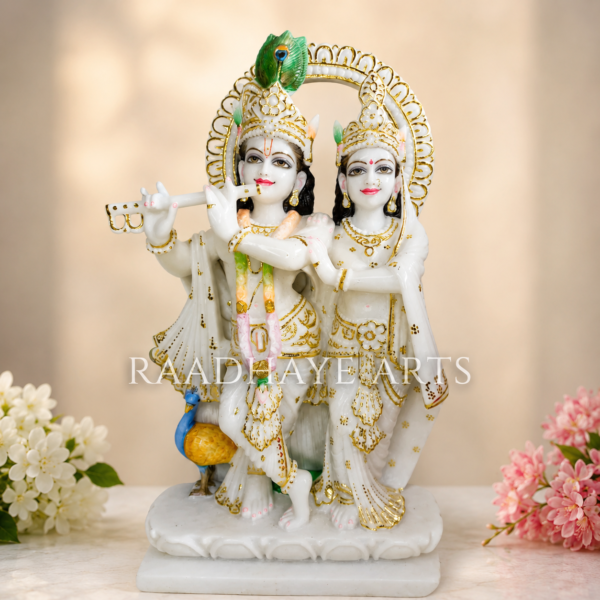
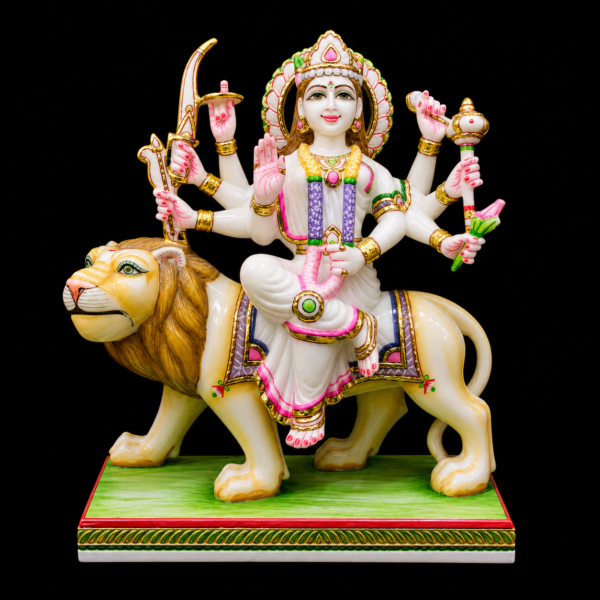
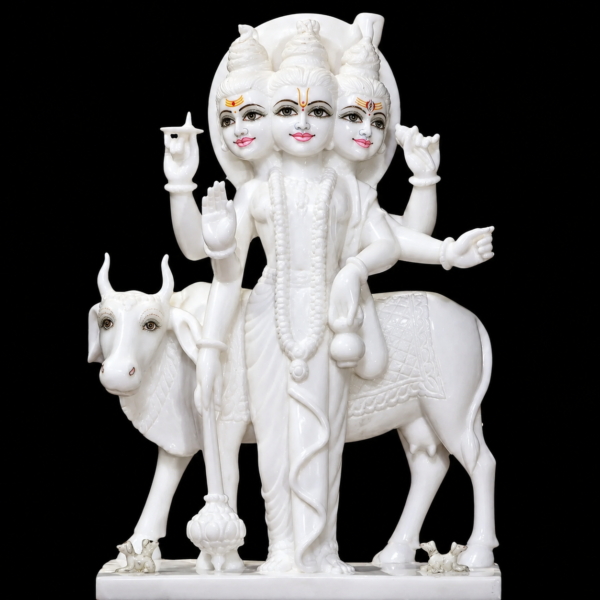
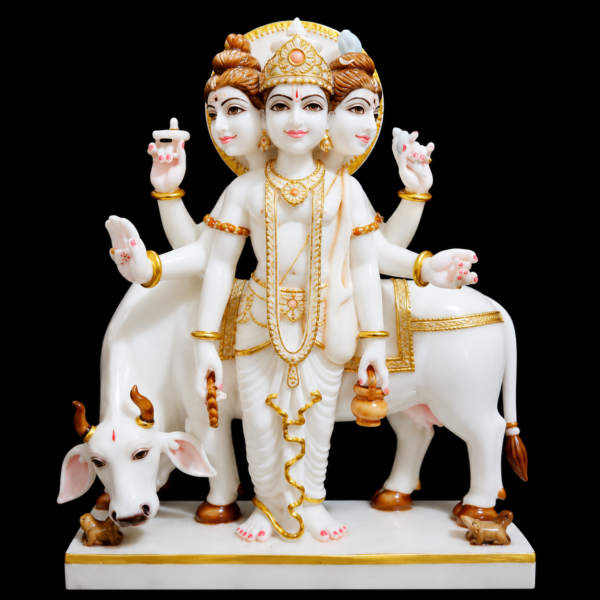
Explore Our Marble Murti Collection
Ideal Murti Size for Home Worship
Vastu suggestions favour small to medium murtis that sit comfortably in the mandir and leave space for puja. Very large murtis are better suited to public temples. Measure the platform before choosing, and read our detailed murti size guide for home temples and the 9 to 48 inch size guide.
Which Material Is Best: Marble, Resin or Metal?
Marble is a traditional favourite. It is durable, stays cool, takes fine carving and is easy to maintain with gentle cleaning. Resin is lightweight and decorative and suits modern interiors, but it may not have the same traditional feel. Brass and bronze murtis are also widely used in traditional worship. For the pros and cons of marble and fiber, see marble vs fiber murti.
Send your mandir size or a reference photo and we will suggest suitable designs.
Guidelines for Popular Deities
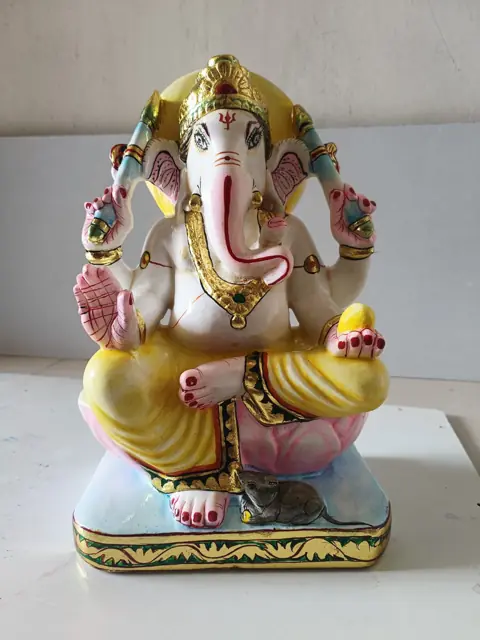
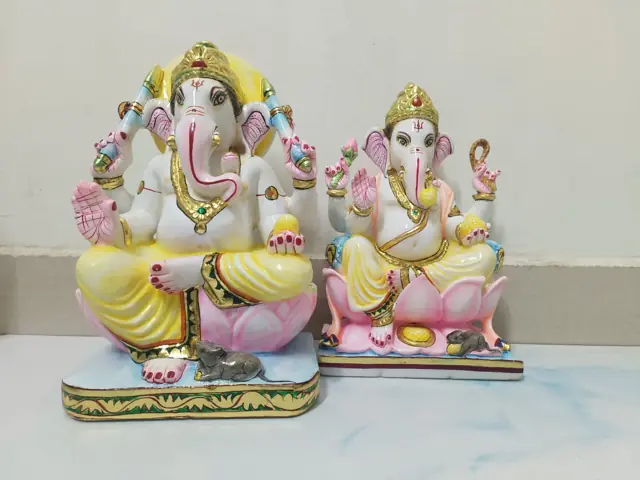
- Ganesh ji: a seated posture is preferred for homes. See the Ganesh ji marble murti guide.
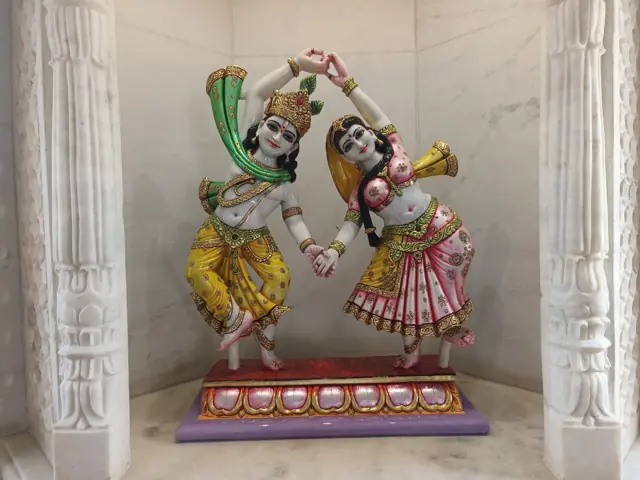
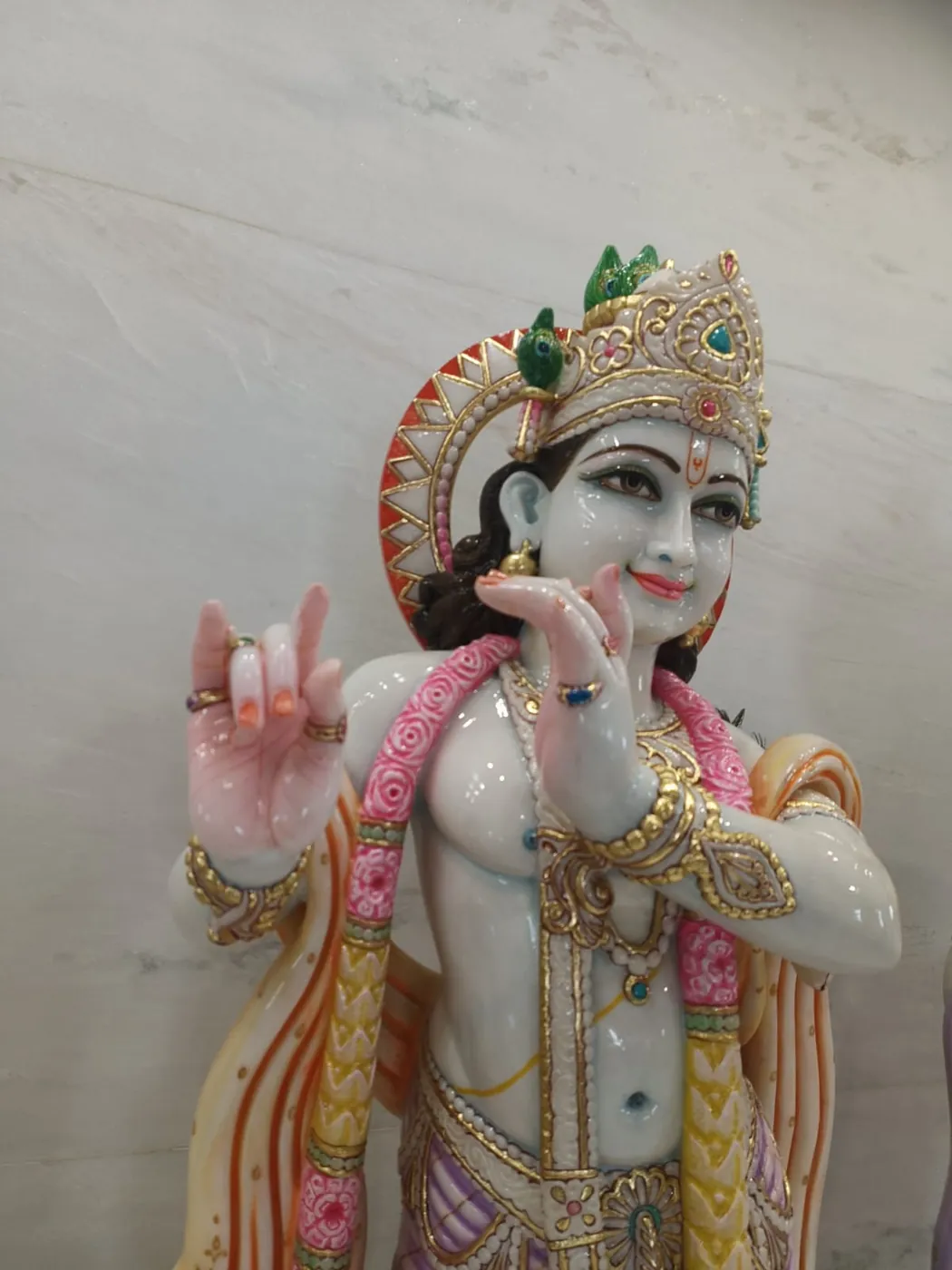
- Krishna: a flute-playing Krishna or Radha Krishna pair is a popular choice. See the Radha Krishna guide.
- Hanuman ji: read the Hanuman ji marble murti guide.
- Maa Lakshmi: often worshipped with Ganesh ji. See the Maa Lakshmi guide.
- Shiv ji: a calm, meditative form suits home worship. See the Shiv Parivar guide.
How Many Murtis in a Home Temple?
There is no strict limit, but simplicity helps. Keep only the murtis you actively worship, avoid overcrowding and keep the space clean and organised.
What to Check Before Buying
- Craftsmanship: fine detailing, balanced proportions, a calm facial expression and smooth finishing.
- Condition: avoid murtis with cracks or chips.
- Personal connection: choose a deity and a form that inspire your devotion. Faith and intention matter as much as any rule.
Common Mistakes to Avoid
- Keeping a broken or chipped murti. See what to do with a broken or old murti.
- Placing the temple near a bathroom.
- Choosing an oversized murti for a small space.
- Neglecting regular cleaning. Read our marble murti care guide.
- Overcrowding the mandir.
हिंदी में जानकारी
वास्तु के अनुसार घर के मंदिर के लिए उत्तर-पूर्व (ईशान), पूर्व या उत्तर दिशा शुभ मानी जाती है। छोटे से मध्यम आकार की मूर्ति चुनें, खंडित मूर्ति न रखें और मंदिर को साफ़ रखें। परिवार की परंपरा का भी ध्यान रखें। Raadhaye Arts हाथ से बनी मार्बल मूर्तियाँ उपलब्ध कराता है।
लोकप्रिय खोज: वास्तु के अनुसार घर के मंदिर की मूर्ति, मंदिर की दिशा, घर के मंदिर के लिए कौन सी मूर्ति सही है।
Get Price & Size Details
Tell us what you need. We reply with designs, sizes, finish options and delivery details for your city. You can also message us directly on WhatsApp.
Frequently Asked Questions
Which murti is best for a home temple?
Marble murtis are widely preferred for purity, durability and traditional appeal. Choose the deity your family worships, in a size that fits the mandir.
Can we keep more than one deity in a home temple?
Yes. Several deities can be worshipped together, provided the temple stays clean, organised and uncluttered.
Which direction is best for a home temple?
The north-east is considered the most auspicious as per Vastu, followed by east and north. Traditions differ, so follow your family practice.
Is marble better than resin for worship?
Marble is generally preferred for traditional worship because of its durability, natural feel and fine carving. Resin is lighter and decorative.